Posts
What is planning poker?


Matt Lewandowski
Last updated 21/06/20267 min read
Also known as
Scrum poker, estimation poker, pointing poker
Introduced by
James Grenning in 2002, later popularized by Mike Cohn
Used for
Estimating the relative effort of backlog items
Best for
Sprint planning and backlog refinement with 3–9 people
How planning poker works
Present the item
The product owner reads out a backlog item and answers any quick questions about scope and acceptance criteria. Everyone picks a card privately
Each person chooses the card that matches the effort they expect, based on complexity, unknowns, and risk. No peeking at each other. Reveal at the same time
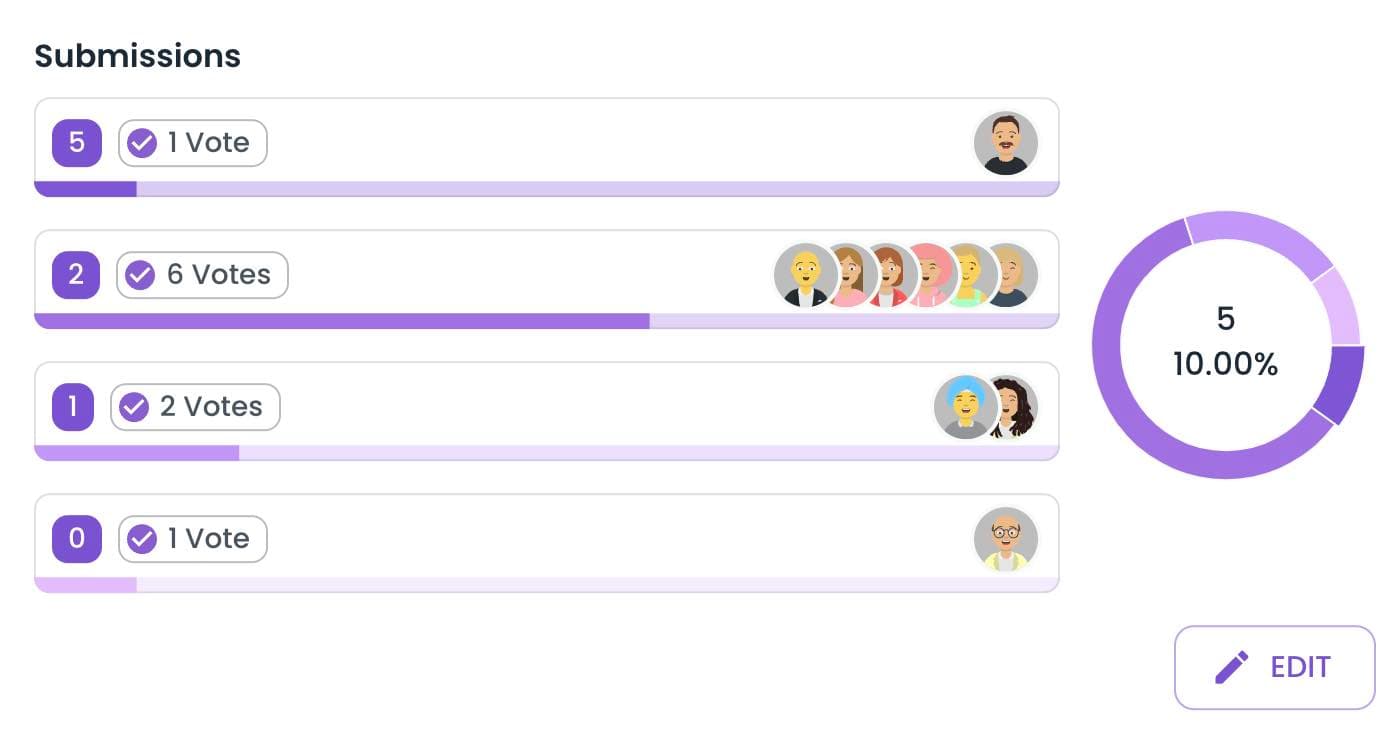
All cards flip together. Because nobody saw the others first, the spread reflects what people genuinely think. Discuss the outliers
The highest and lowest voters explain their reasoning. This is where you uncover a missed dependency or a requirement people read differently. Re-vote until you converge
Vote again with the new context. Most items settle in one or two rounds. You're aiming for close enough, not unanimous.
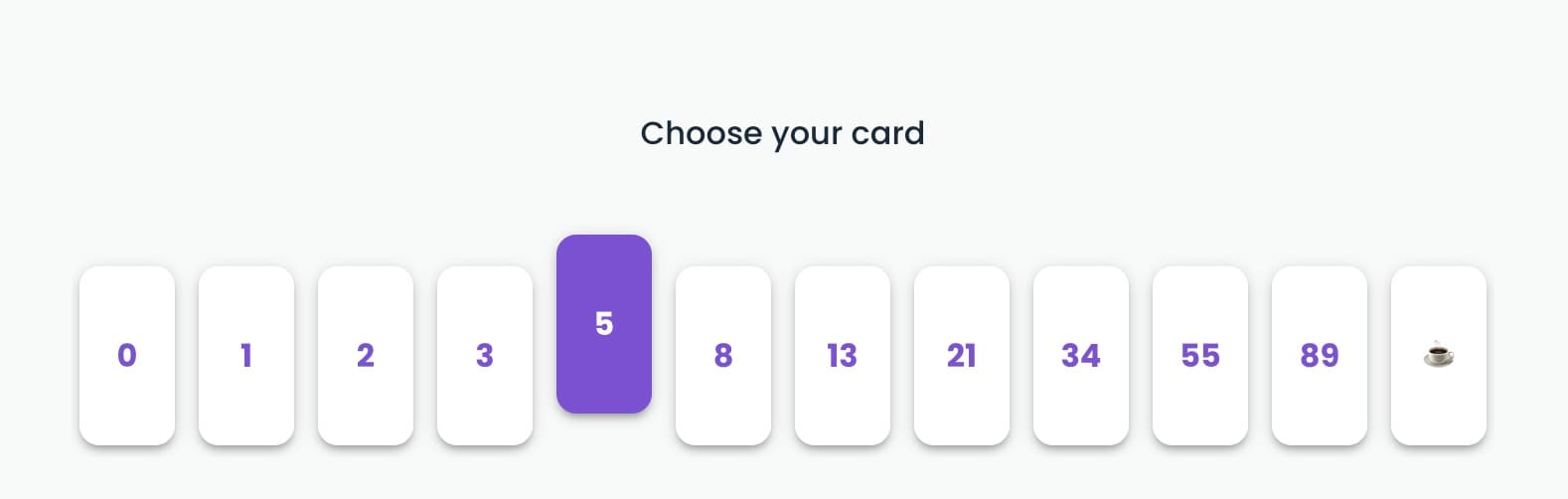
The cards: which deck should you use?
| Deck | Values | Best for |
|---|---|---|
| Fibonacci | 1, 2, 3, 5, 8, 13, 21 | The default for most software teams |
| Modified Fibonacci | 0, ½, 1, 2, 3, 5, 8, 13, 20, 40, 100 | Adds room for "trivial" and "too big to estimate" |
| T-shirt sizes | XS, S, M, L, XL | Early roadmap sizing and non-technical stakeholders |
| Powers of two | 1, 2, 4, 8, 16 | Teams who like a clean doubling scale |
| Custom | Whatever you want | Ideal days, hours, or your own labels |
Why teams use it
🎴Kills anchoring bias
💡Surfaces hidden assumptions
🙋Pulls in the quiet voices
⚡Fast and repeatable
When planning poker works, and when it doesn't
- You're sizing items for an upcoming sprint and want shared understanding
- The team is 3–9 people who'll do the work
- Requirements are clear enough to discuss but still have unknowns
- You have 50+ items and limited time. Use affinity mapping or the bucket system instead
- The work is fully understood and routine. Just assign a size
- One person already knows exactly how to build it and nobody else will touch it
Running your first session
Pick a baseline
Choose one small, well-understood story everyone agrees on and call it your reference. Common practice is to make it a 2 or 3, not a 1, so you have room to go smaller. Bring the right people
Invite the people who'll build the work: developers, QA, and a product owner to answer scope questions. Keep it tight. Timebox each item
Give a round a couple of minutes. If you're still split after two votes, note the open question, split the story, or park it for refinement. Record the estimate and move on
Capture the agreed size and keep momentum. Estimation has sharp diminishing returns once you're in the right ballpark.
Planning poker with Kollabe