
Posts
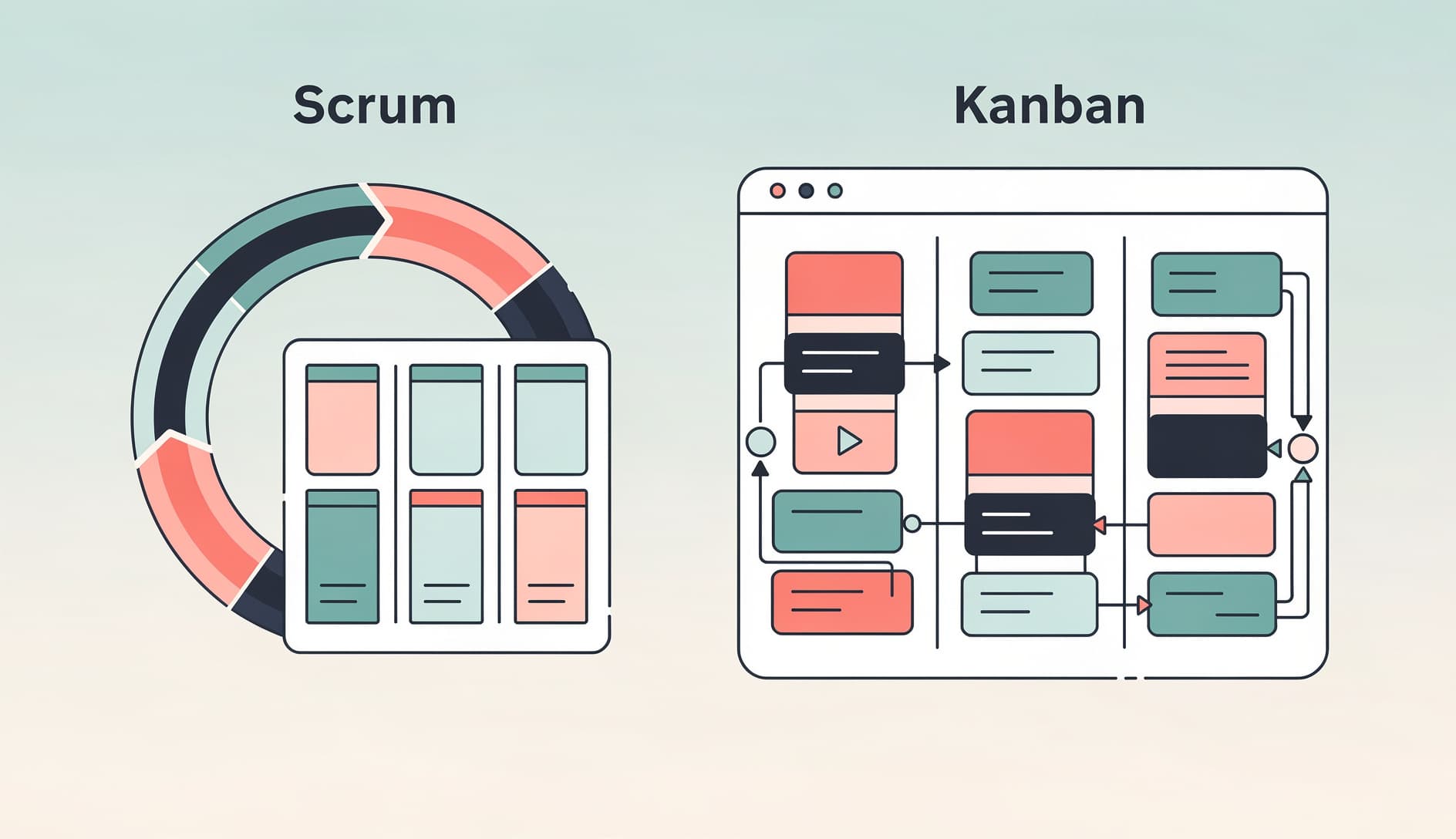
Scrum vs Kanban: a decision framework for 2026

Matt Lewandowski
Last updated 16/02/202612 min read
Quick definitions
Scrum
Cadence
Roles
Key artifacts
Core metric
Kanban
Cadence
Roles
Key artifacts
Core metric
Side-by-side comparison
| Dimension | Scrum | Kanban |
|---|---|---|
| Cadence | Fixed sprints (1-4 weeks) | Continuous flow |
| Roles | Product Owner, Scrum Master, Dev Team | No prescribed roles |
| Planning | Sprint planning at start of each sprint | On-demand replenishment as capacity opens |
| Metrics | Velocity, sprint burndown | Cycle time, throughput, WIP |
| Ceremonies | 5 prescribed events | None required (teams adopt as needed) |
| Change handling | Changes wait for next sprint | Changes enter the board anytime |
| Estimation | Story points or time at sprint planning | Optional (often skipped) |
| Commitments | Sprint goal and selected backlog items | WIP limits and service-level expectations |
| Board resets | Board clears at end of each sprint | Board is persistent and continuous |
| Delivery | End of sprint (potentially shippable increment) | Continuous (as items reach Done) |
Scrum strengths
CBuilt-in feedback loops
PPredictable delivery
AClear accountability
SProtection from scope creep
Kanban strengths
FFlexibility
RReduced overhead
DContinuous delivery
WWIP visibility
Scrumban: the hybrid gaining traction in 2026
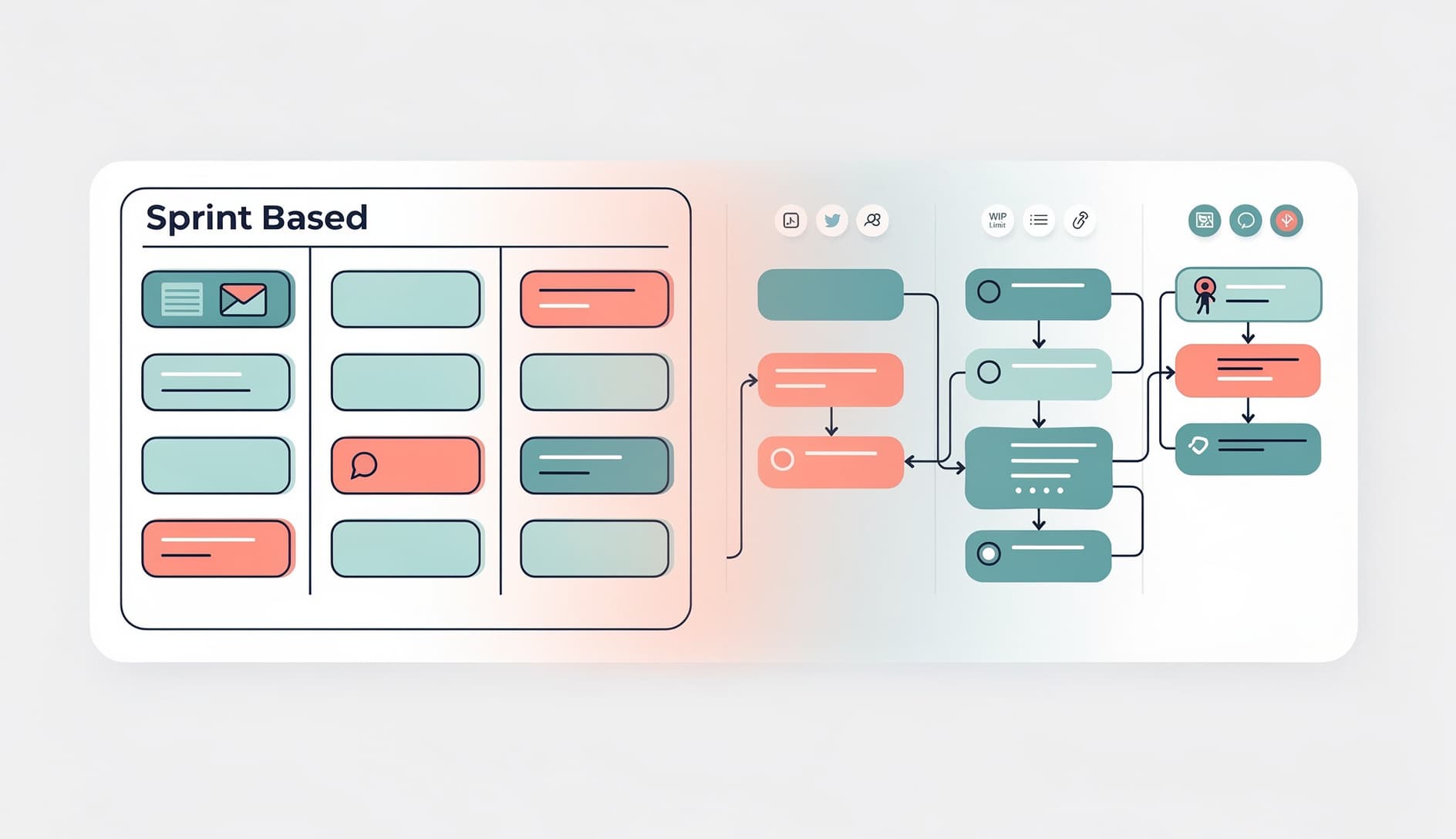
- Sprint planning (often shortened and less formal)
- Daily standups for synchronization
- Retrospectives for continuous improvement
- Sprint reviews for stakeholder feedback
- A persistent board that doesn't reset between sprints
- WIP limits to prevent overload
- Pull-based work (developers pull the next item when ready, rather than being assigned)
- Flow metrics alongside velocity
- Strict sprint commitments (replaced by throughput targets)
- Mandatory story point estimation (replaced by right-sizing items)
- Board resets between sprints
- Rigid sprint scope protection (allowing urgent items to enter mid-sprint with WIP limit tradeoffs)
Why Scrumban is trending
Decision framework: choosing the right approach
How predictable is your incoming work?
If your team works from a well-groomed product backlog with clear priorities, Scrum's sprint planning model works well. If work arrives unpredictably (support tickets, production incidents, ad hoc requests), Kanban's continuous flow handles this better. If it's a mix of both, Scrumban gives you planned sprints with the ability to absorb urgent items. How often do requirements change?
Scrum protects teams from mid-sprint scope changes, which is great when stakeholders need discipline. But if requirements genuinely change daily and the team needs to pivot fast, Kanban's flexibility is an advantage, not a compromise. Consider how your team handles sprint planning today and whether the sprint boundary helps or hinders. Does your team need structure or autonomy?
Newer teams, teams with junior members, or teams forming around a new product often benefit from Scrum's prescribed structure. It reduces decisions about process and lets the team focus on building. Experienced, self-organizing teams often find Scrum's ceremonies constraining and prefer Kanban's lighter approach. What does your release cadence look like?
If you deploy continuously (multiple times per day), Scrum's sprint boundary becomes artificial. Work is done and deployed long before the sprint ends. Kanban aligns naturally with continuous deployment. If you batch releases on a regular schedule, Scrum's sprint cadence maps cleanly to release cycles.
Quick reference
SChoose Scrum when
KChoose Kanban when
HChoose Scrumban when
?Don't choose yet
Flow metrics in 2026: bridging both worlds
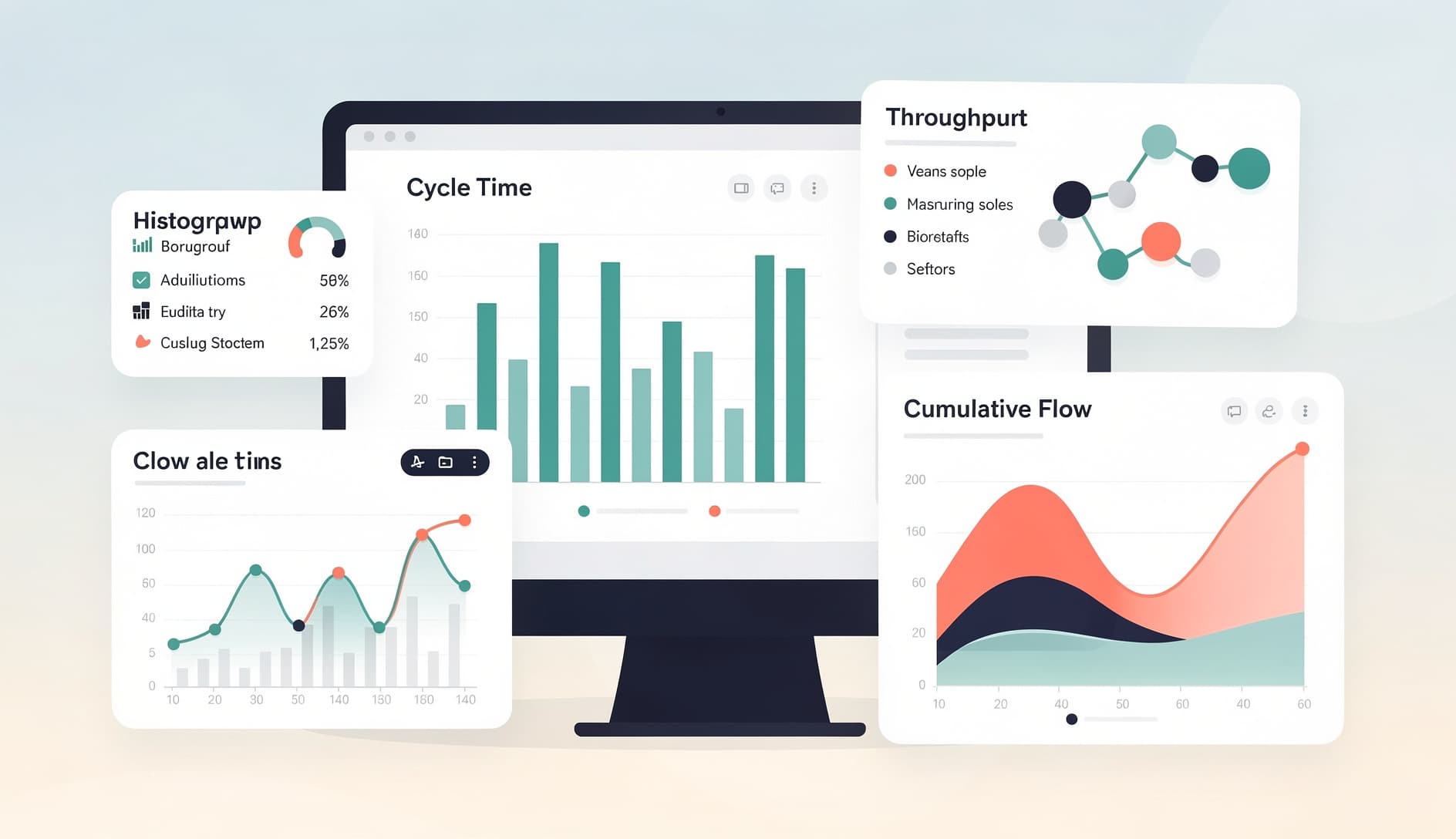
Cycle time
Throughput
Work in progress
Work item age
Why this convergence matters
You don't have to pick one forever
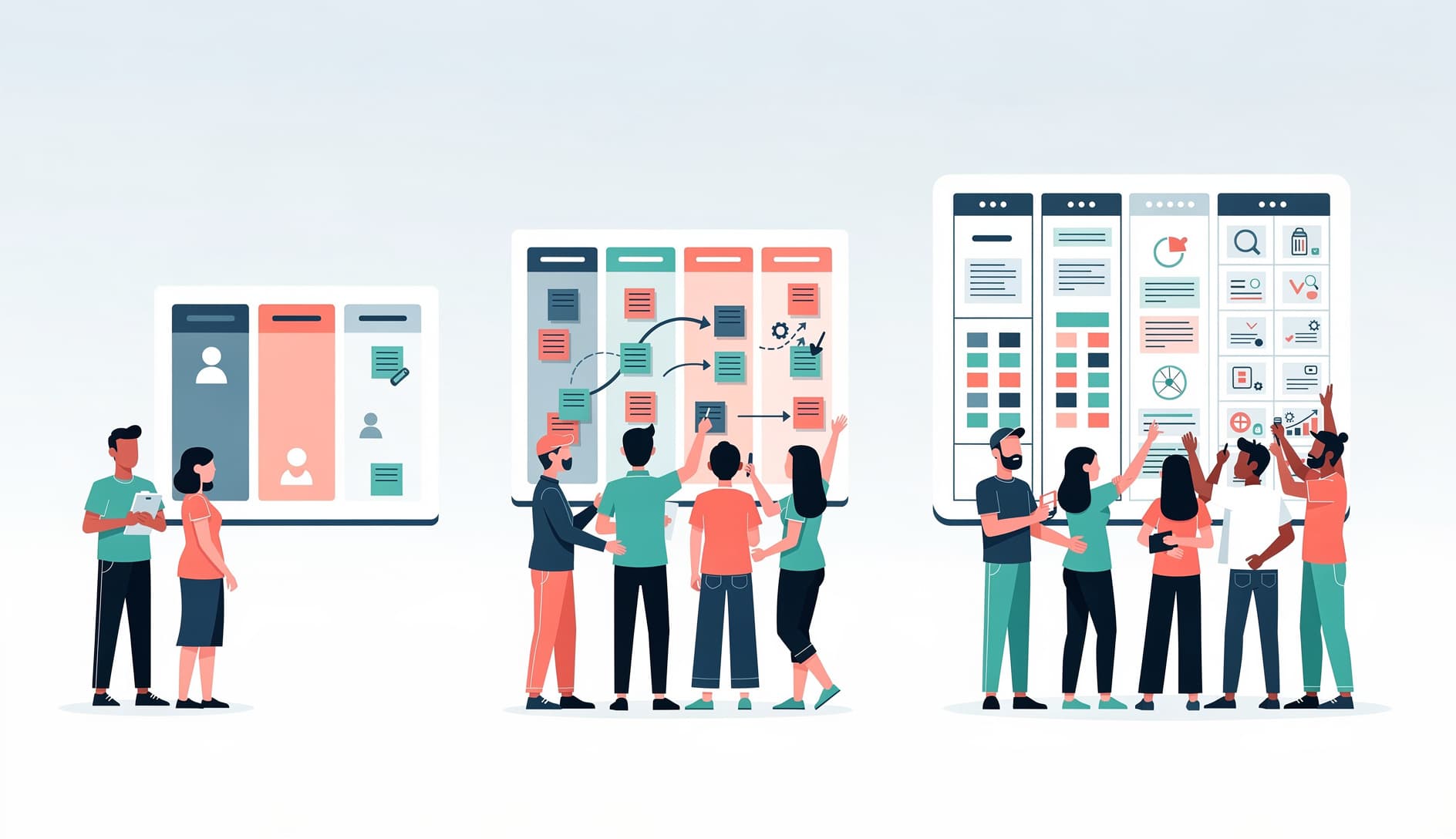
Start where you are
Don't overhaul your entire process at once. If you're doing Scrum, keep doing Scrum. If you're doing something informal, start by visualizing your workflow on a Kanban board. Use retrospectives to evolve
Retrospectives are the mechanism for process improvement in both frameworks. Use them to question which practices are helping and which are just habit. Every team should run them, not just Scrum teams. Measure outcomes, not adherence
The goal isn't to "do Scrum correctly" or "do Kanban correctly." The goal is to deliver value predictably and sustainably. If your current approach achieves that, it's working. If it doesn't, change it. Adopt practices, not identities
You don't need to be "a Scrum team" or "a Kanban team." Take the practices that solve your problems and leave the rest. WIP limits improve any team's flow. Retrospectives help any team improve. Standups keep any team aligned.