How to run sprint planning meetings that actually work
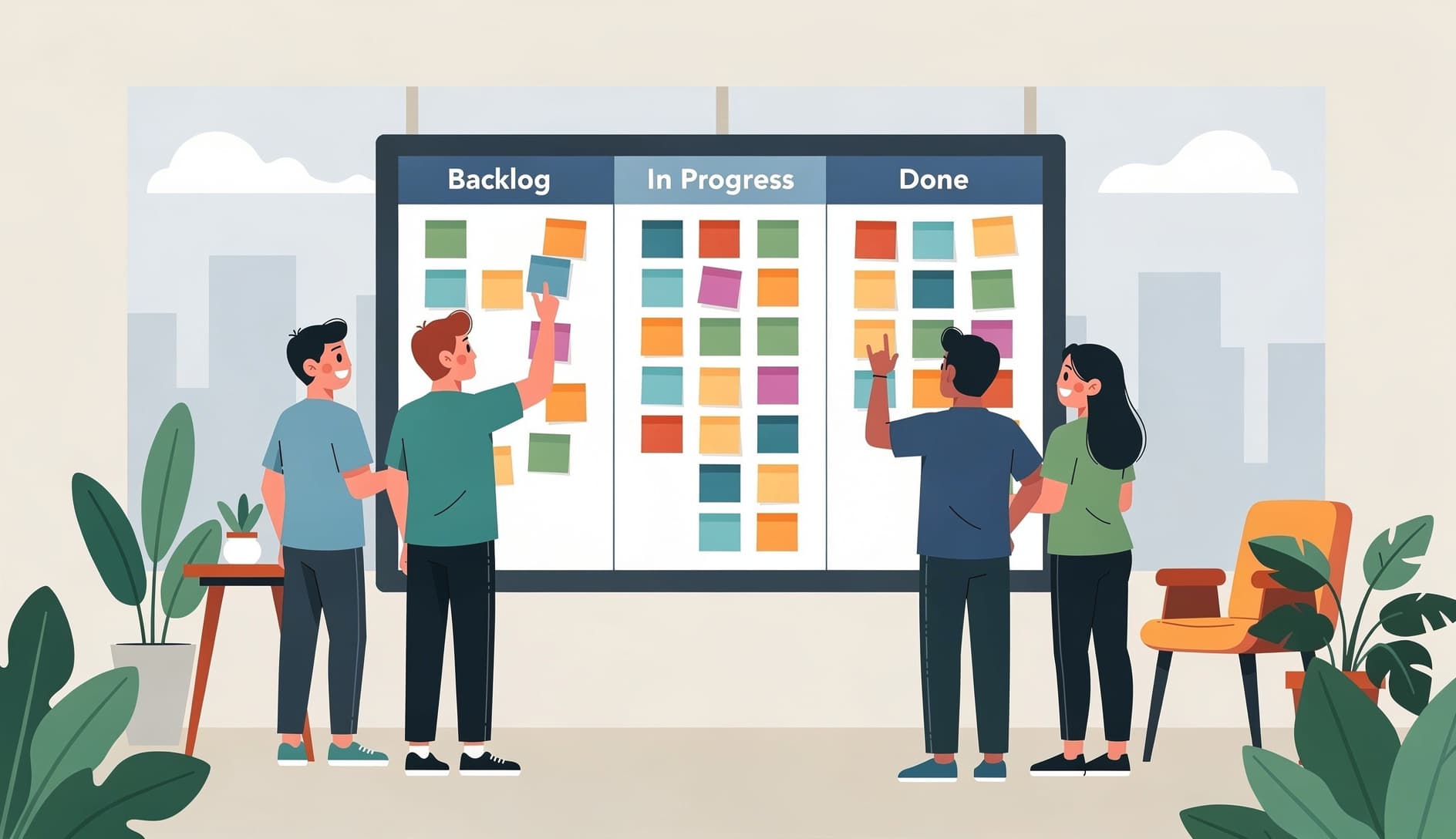
Agile team gathered around a board selecting work items for their next sprint, with sticky notes and a visible sprint goalAgile team gathered around a board selecting work items for their next sprint, with sticky notes and a visible sprint goal Sprint planning is the Scrum ceremony that kicks off every sprint. The team decides what to build, why it matters, and roughly how they'll get it done. When it works, everyone leaves aligned. When it doesn't, you get two hours of confusion followed by two weeks of chaos. Most teams hold sprint planning (roughly 86% according to the Scrum Alliance), but many treat it as a backlog reading session rather than an actual planning conversation. Here's how to do it right.

What sprint planning actually produces

The output of sprint planning is the Sprint Backlog, which has three parts:
  • A Sprint Goal, which is a short statement about why this sprint matters
  • The selected backlog items the team commits to completing
  • A delivery plan for how the team intends to turn those items into a working increment
The Sprint Goal is the piece most teams skip, and it's the most important one. Without it, the sprint becomes a grab bag of unrelated tasks with no coherent direction.

Who should be in the room

The entire Scrum Team attends:
RoleWhat they do in sprint planning
Product OwnerPresents prioritized backlog items, proposes the Sprint Goal, negotiates scope
Scrum MasterFacilitates the meeting, keeps the timebox, removes blockers
DevelopersSelect work they can commit to, plan the implementation, decompose stories into tasks
Subject matter experts or stakeholders can be invited when their input is needed, but they're guests, not decision-makers. One common anti-pattern: only sending one or two team members to "represent" the developers. If the people doing the work aren't part of the planning conversation, the commitments they're handed rarely stick.

The meeting structure

The meeting has a natural flow from goal-setting to task-level planning.
Set the Sprint Goal
The Product Owner proposes why this sprint matters and what value it should deliver. The team works together to sharpen this into a clear Sprint Goal. Start here, not with the backlog. The goal gives everything else direction.
Review capacity
Before selecting any work, check actual availability. Who's on vacation? Who's on-call? A reliable approach: average your last three sprints' velocity, then adjust for known capacity changes.
Select backlog items
The Product Owner walks through the top-priority items (which should already be refined and estimated). Developers select what they're confident they can finish, given their capacity and the Definition of Done. This is a negotiation, not a top-down assignment.
Decompose into tasks
For each selected item, developers break the work into smaller tasks, ideally completable in a day or less. This is where hidden complexity and dependencies surface before they become mid-sprint surprises.
Confirm the Sprint Backlog
The team reviews the full picture: Sprint Goal, selected items, delivery plan. Everyone should leave the room able to explain what the sprint is about and what they're working on first.

How long should it take

The Scrum Guide sets maximums, not targets:
Sprint lengthMax planning time
1 week2 hours
2 weeks4 hours
3 weeks6 hours
4 weeks8 hours
In practice, most teams running 2-week sprints finish planning in 60–90 minutes when the backlog is well-refined beforehand. If you're consistently hitting the full timebox, that's a refinement problem, not a planning problem.

Where estimation fits in

This is where teams often go wrong. Estimation should happen before sprint planning, during backlog refinement, not at the start of the meeting itself. Mike Cohn, who created Planning Poker, identifies two good times to estimate:
  1. After story-writing workshops, when a batch of 20–50 new items needs sizing
  2. During regular refinement sessions, as items are clarified throughout the sprint

And one bad time: at the start of sprint planning. By then it's too late for the Product Owner to adjust priorities based on new estimates, and developers who are mentally shifting into execution mode struggle with high-level relative sizing. When the top of the backlog arrives at sprint planning already estimated, the meeting becomes a selection exercise ("how much of this estimated work fits our capacity?") rather than an estimation debate. That's the difference between a 90-minute session and a 3-hour one. If your team uses planning poker for estimation, run those sessions during refinement. Tools like Kollabe support async estimation so teams can estimate on their own time without blocking the whole group. Team members each holding up estimation cards simultaneously during a planning poker session, with numbers visibleTeam members each holding up estimation cards simultaneously during a planning poker session, with numbers visible

Mistakes that derail sprint planning

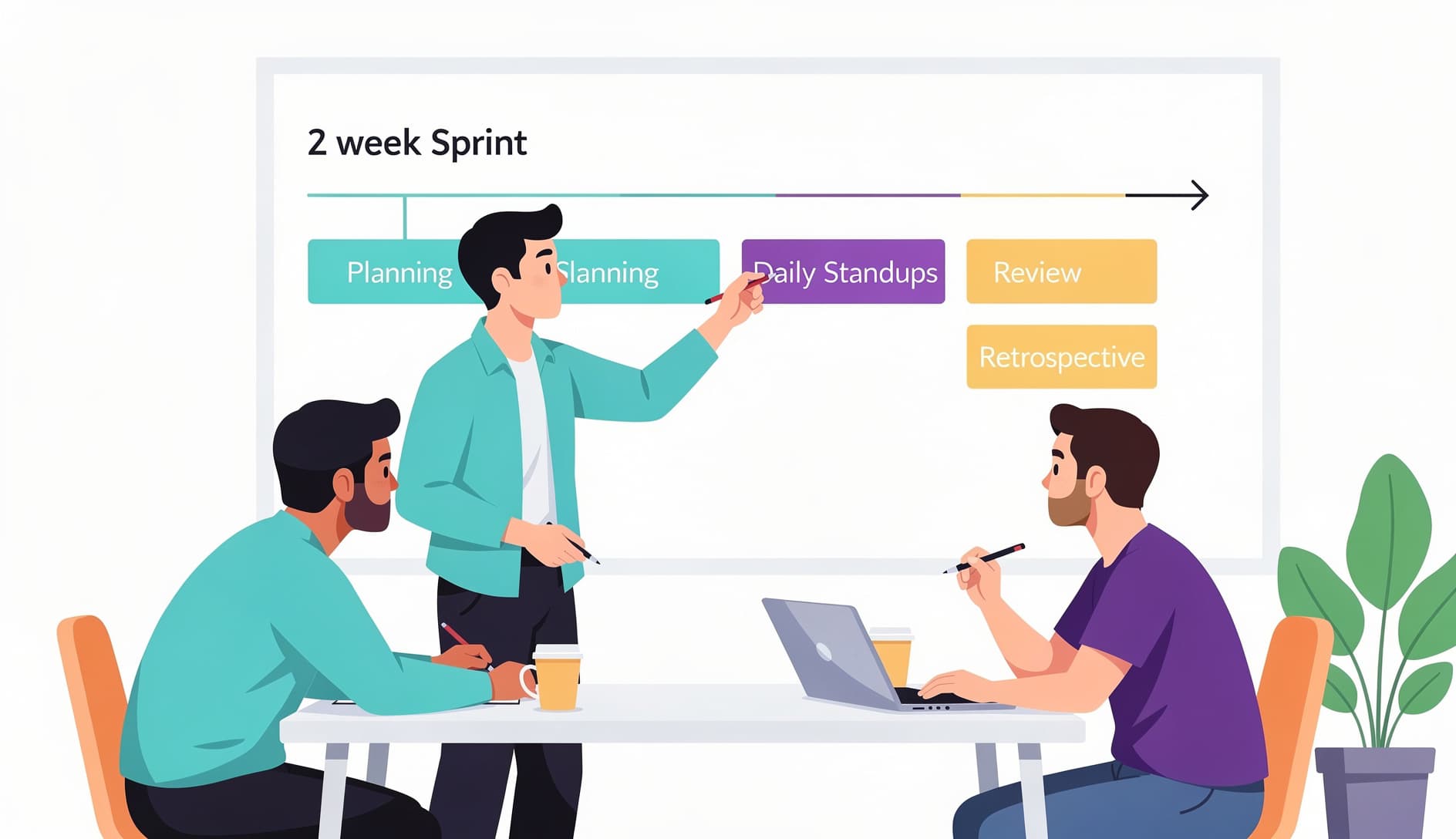
Poor backlog preparation. Walking into planning with vague, unrefined stories is the number one cause of long, frustrating meetings. If acceptance criteria aren't clear before the meeting, they won't get clearer during it. No Sprint Goal. Without a goal, there's no way to make tradeoff decisions when scope gets tight. You end up with a disconnected list of tasks instead of a coherent sprint. Overcommitting. If you're regularly moving 30–40% of unfinished work to the next sprint, you're taking on more than the team can deliver. Most teams lose 15–25% of their sprint to unplanned work, meetings, and overhead. Build that in. Skipping the "how." Selecting stories without discussing implementation means surprises surface mid-sprint. Even five minutes on approach prevents most of these. Treating it as a status meeting. Sprint planning is forward-looking. If you're spending time on updates about what happened last sprint, that belongs in the sprint review or retrospective. Scrum master at a whiteboard mapping out a two-week sprint timeline with colored blocks for each ceremony, while team members observeScrum master at a whiteboard mapping out a two-week sprint timeline with colored blocks for each ceremony, while team members observe

Making sprint planning better over time

If you improve one thing, make it backlog refinement. The Scrum Guide recommends spending 5–10% of total sprint hours on refinement. When stories arrive at planning with clear acceptance criteria, known dependencies, and existing estimates, the meeting practically runs itself. Beyond that:
  • Share candidate items 1–2 days before so developers can think about approaches ahead of time
  • Start with the Sprint Goal, not the backlog. It provides focus and makes scope decisions easier
  • Let developers own the "how." The Product Owner negotiates what gets built, developers decide how
  • Reserve capacity for technical debt. Experienced teams allocate up to 20% of their sprint for bugs and refactoring
  • Incorporate retrospective action items. If the team agreed to change something last sprint, it should show up in this sprint's plan

Sprint planning in the bigger picture

Sprint planning is one ceremony in a cycle, and it works best when the others are pulling their weight too. Retrospectives surface process improvements that feed into the next sprint's plan. Sprint reviews reveal stakeholder feedback that shapes priorities. Daily standups adapt the plan as things change. And backlog refinement prepares the raw material that makes sprint planning efficient. When the rest of the cycle is healthy, sprint planning becomes the shortest meeting, not the longest.

Backlog refinement is about preparing items: writing acceptance criteria, estimating, and clarifying scope. Sprint planning is about selecting which refined items to commit to and planning how to deliver them. Refinement feeds planning.

This almost always means the backlog wasn't refined enough beforehand. Invest more time in refinement sessions throughout the sprint, and you'll see planning time drop. Don't extend the timebox. Fix the root cause.

No. Estimate during backlog refinement so the Product Owner can adjust priorities based on the estimates. By sprint planning, the top items should already have estimates attached.

Yes. Use a shared board for the Sprint Backlog, run estimation asynchronously with tools like Kollabe's planning poker, and keep the synchronous meeting focused on goal-setting and scope negotiation.
Last Updated on 09/02/2026