Posts

What an AI-native sprint review looks like in 2026
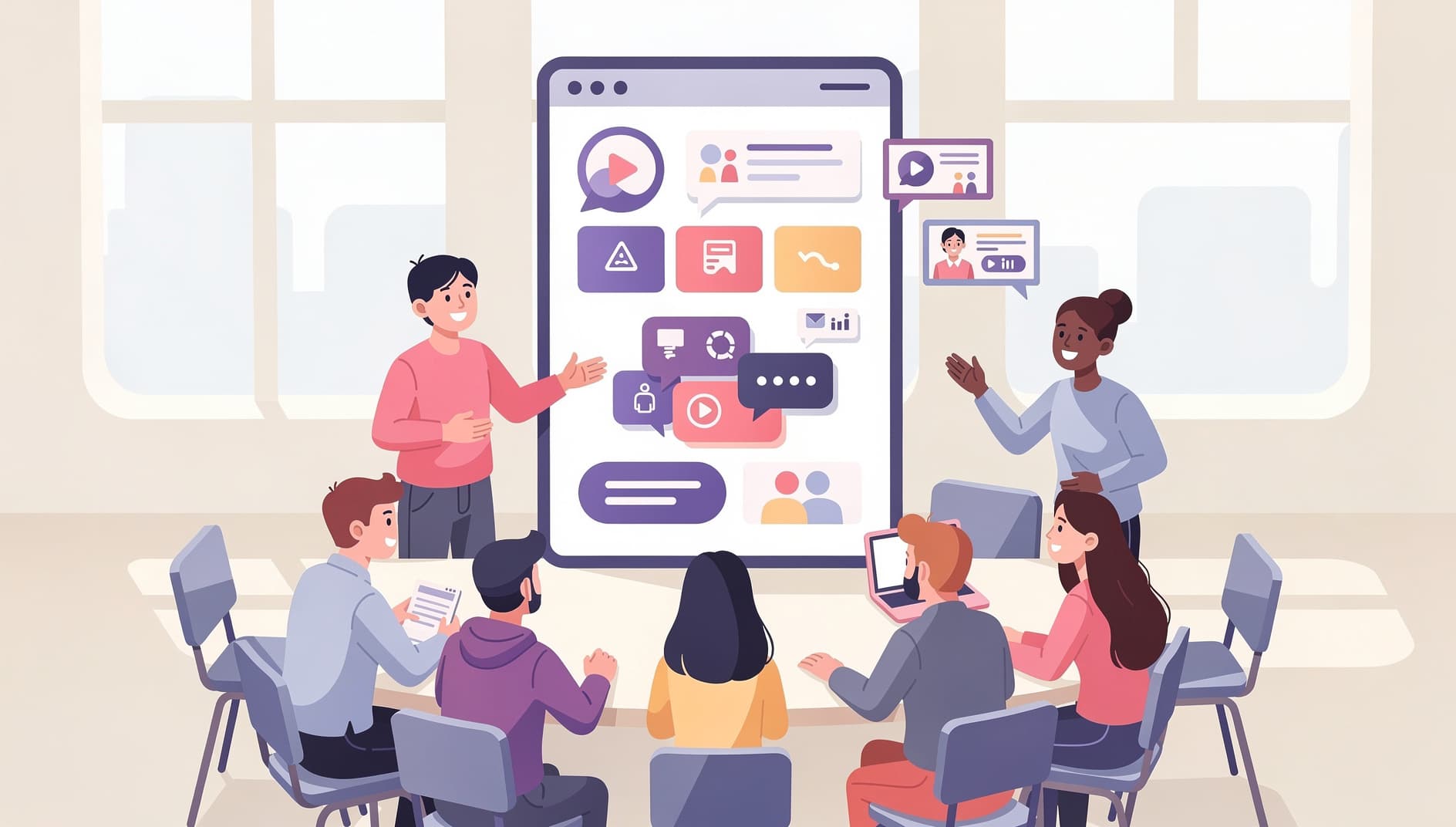
Illustrated modern sprint review with a small team and stakeholders looking at a shared dashboard that has AI-generated highlights and a live feedback panel, vibrant editorial illustration style
Kelly Lewandowski

Kelly Lewandowski

Last updated 19/05/20267 min read

Most teams I talk to are still running sprint reviews like it's 2018. Someone shares a screen, walks through finished tickets, asks "any questions?" and the meeting ends. Stakeholders nod, nothing changes, and half of them stop attending by sprint four. That format made sense when shipping was slow and people had to be in a room to see the work. Neither of those is true anymore. Teams using AI coding tools ship twice as much per sprint, and stakeholders are scattered across time zones and Slack channels. The 60-minute live demo is the wrong shape for either reality. Here's what a sprint review looks like for teams that have rebuilt it around AI.

The shape has flipped

The old shape: 60 minutes live, demo-heavy, low engagement. The new shape: most of the review happens asynchronously before the meeting. The meeting itself shrinks to 30 minutes and becomes a decision session, not a demo.
PhaseOld formatAI-native format
Pre-meetingNothingAsync demos, AI-generated change summary, stakeholder briefing
Meeting60 min walkthrough + Q&A30 min discussion of pre-watched material, decisions on next sprint
Post-meetingNotes lost in someone's NotionAI synthesizes feedback into backlog candidates
Stakeholder loadSit through every demo, relevant or notWatch only the demos that affect them, comment in their own time
The win here is that stakeholders stop having to choose between "attend the whole thing" and "miss everything." They watch what's relevant, on their own time, and arrive at the live meeting already opinionated.

What the AI actually does

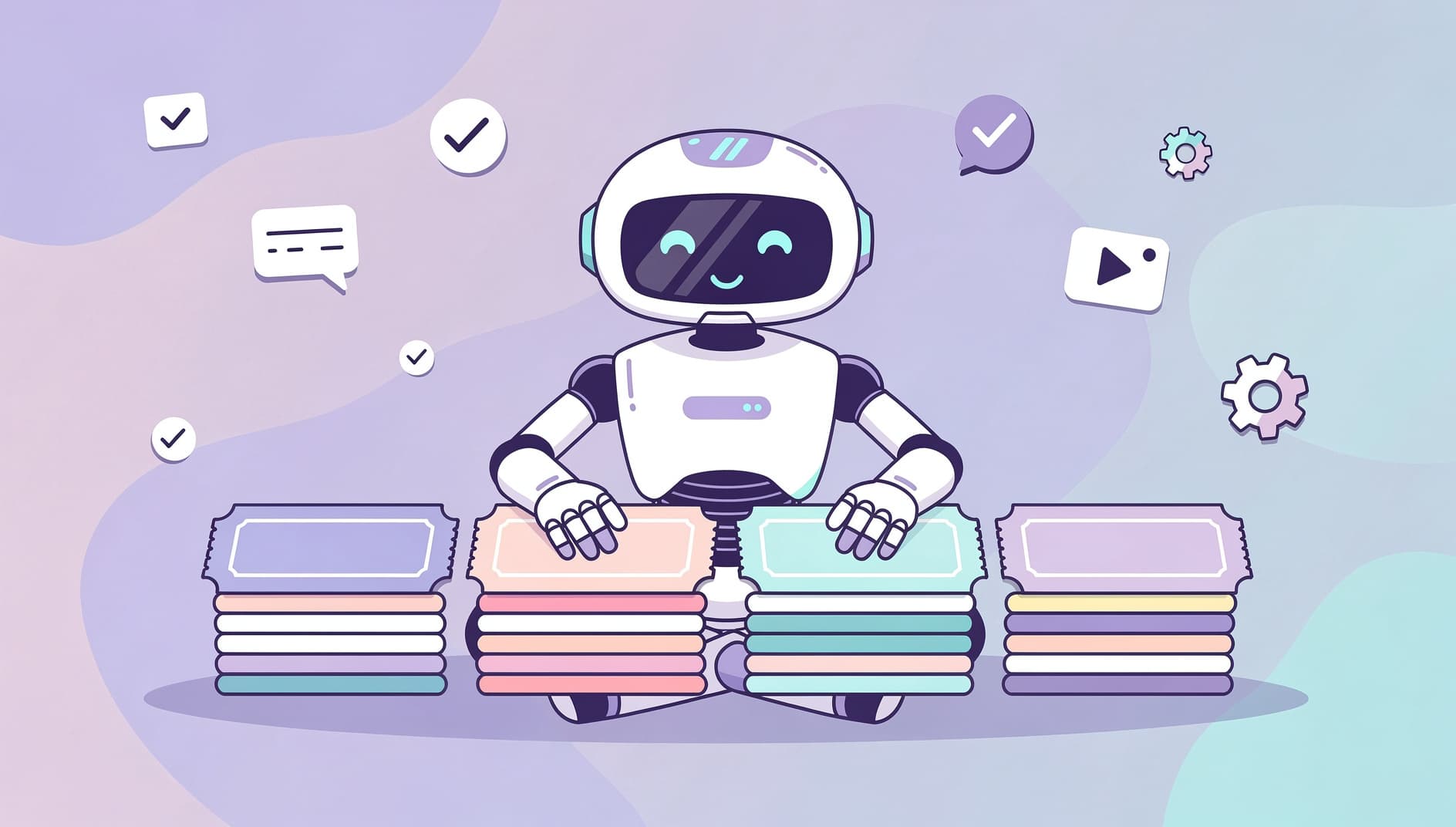
There's a lot of hand-waving about "AI-powered sprint reviews." Most of it is dashboards with a chatbot bolted on. Strip that away and there are four jobs AI is doing well right now. Editorial illustration of a friendly AI assistant character sorting through tickets, demo recordings, and feedback comments into neat stacks, modern flat vector style

Generating the change summary

The product owner used to spend an hour the day before the review pulling together "what we shipped this sprint." Now that summary writes itself. AI reads the closed tickets, PR descriptions, and release notes, then drafts a stakeholder-readable summary grouped by theme (not by ticket). The PO edits it instead of writing it. Twenty minutes instead of an hour, and the result is better because it's grouped by what stakeholders care about, not by ticket order.

Recording and indexing demos

Engineers record 2-3 minute Loom-style demos of the features they built. AI transcribes them, tags them by area of the product, and links them back to the original story. Stakeholders watching async can search inside demos ("show me anything about checkout") instead of scrubbing through a 60-minute Zoom recording.

Synthesizing feedback in real time

This is the one that changed my opinion on async-first reviews. During the live discussion, AI listens (with permission) and clusters comments by theme as they come in. By the end of the meeting, you don't need a scribe taking notes. You have a clustered list of stakeholder concerns, already grouped, ready to become backlog candidates. For teams that run their retro right after the review, the same AI layer that powers retrospective auto-grouping handles the review feedback. Same pattern, different ceremony.

Connecting feedback to history

My favorite use is the simplest one: memory. "Didn't we discuss this two sprints ago?" used to need someone with a good memory and a tolerance for scrolling. Now the AI surfaces it: "Stakeholder mentioned this concern in the March 14 review. Team committed to revisiting it. Status: still open." Stakeholders trust the process more when they can see their input is tracked, even three sprints later. It's a small thing that does a lot of work.

What stays stubbornly human

Some sprint review tasks look automatable but aren't. Don't waste cycles trying. Deciding what to show. AI can list every closed story. It can't tell you which three matter to the VP of Sales who has 20 minutes. That's a judgment call about audience, and a PO who knows their stakeholders will always do this better than a model. Reading the room. When a stakeholder says "looks good" with their arms crossed, the meaning is in the body language. AI sentiment analysis on transcripts misses this entirely. Reviews need at least one human watching for the disagreement nobody says out loud. Accepting or rejecting feedback. This was a rule pre-AI and it still applies. The PO collects feedback, then evaluates it later in backlog refinement. Don't let an AI tool that auto-creates tickets from feedback comments push you into committing on the spot. The "should we build this?" conversation. AI tells you what you did build. The hardest question in a sprint review is whether the team is building the right things. That's a strategy conversation between humans, informed by data the AI surfaces but not decided by it.

A walkthrough of an AI-native review

Here's the rhythm one team I work with uses for a two-week sprint. It's not the only shape, but it shows what the moving parts look like together.
  1. Two days before: engineers record demos
    Each engineer records a 2-3 minute walkthrough of what they built. AI transcribes and tags them. Total team effort: maybe 30 minutes across the whole team.
  2. One day before: PO ships the briefing
    AI generates a draft change summary grouped by theme. PO edits, adds business context for each group, and sends a single Loom plus a link to the demo library. Stakeholders have 24 hours.
  3. Async feedback window
    Stakeholders watch the demos that affect them and leave timestamped comments. AI clusters comments by theme as they come in, so the PO walks into the meeting knowing the top three discussion points.
  4. Live meeting, 30 minutes
    No screen-sharing. Open with "you said, we did" from last review. Discuss the top clusters from async feedback. Decide what changes next sprint. End.
  5. After the meeting: AI synthesis to backlog
    AI converts feedback clusters into backlog candidates with full context (which stakeholder, which demo, what they said). PO grooms in their own time. Nothing falls through the cracks.

The team that does this told me their review attendance went from "three of seven stakeholders, usually late" to "six of seven, prepared, with specific feedback." The unlock wasn't the AI. It was respecting stakeholder time enough to not make them sit through irrelevant demos. Illustration of stakeholders watching short demo videos on their own devices at different times of day, each leaving thoughtful comments, async collaboration vibe

Where this goes wrong

A few patterns I've seen kill AI-native reviews before they get traction. Treating async as "skip the meeting." The async pre-work replaces the demo, not the discussion. Teams that drop the live meeting entirely lose the decision-making moment and end up with stakeholder feedback that never gets resolved. Letting AI write the briefing without editing it. Auto-generated summaries are 80% there. The PO's job is the last 20%, which is the business context and the framing of what stakeholders should pay attention to. Skip that and the summary reads like a release note. Recording demos that nobody watches. If your stakeholders aren't watching the async demos, the problem is probably that you're recording too many or they're too long. Three 2-minute demos beat one 15-minute walkthrough every time.

Sprint review vs. retrospective in an AI-native team

These two ceremonies still serve different purposes, but their AI layers overlap more than you'd expect.
Sprint reviewRetrospective
AudienceTeam + stakeholdersTeam only
AI's main jobSynthesize external feedback into backlogCluster team feedback, track action items
What's automatedChange summary, feedback clusteringAuto-grouping by similarity, sentiment, summaries
What's humanStrategy and prioritizationHonest reflection and psychological safety
If you're already running retrospectives with AI grouping and summaries, you're 70% of the way to running an AI-native sprint review. The same patterns transfer. The bigger lift is the cultural shift to async-first, not the tooling.

Where to start

You don't need a new platform. Pick the one part of your current review that hurts most and apply AI to it.
  • If writing the change summary kills your PO's Thursday: start with auto-generated summaries.
  • If demos run long and stakeholders disengage: start with pre-recorded async demos.
  • If feedback gets lost between reviews: start with feedback clustering and follow-up tracking.
  • If stakeholders don't show up: start with the "you said, we did" opener at every review.
The best sprint reviews I've seen this year aren't the ones with the fanciest AI. They're the ones where AI removed the parts nobody liked, the recap and the note-taking, so the strategy conversation got more oxygen.

For most teams with distributed stakeholders, yes. Async demos give people time to watch what's relevant to them, formulate real feedback, and arrive at the live meeting prepared. Co-located teams that all show up anyway can keep the live format if it's working.

A few will. For them, keep a short live demo segment for the items they care about. Don't force the whole team back into the old format because of one or two holdouts.

Most teams record demos on internal tooling that doesn't leave the company perimeter. The AI summarization happens on the same infrastructure as the rest of your stack. If you can run retrospective AI summaries today, you can do this.

Yes. The PO's job shifts from note-taker and demo-runner to editor and decision-maker. The AI handles the mechanical parts; the PO handles judgment, framing, and follow-through. The role gets more strategic, not less necessary.